A Final That Felt Anything But Equal
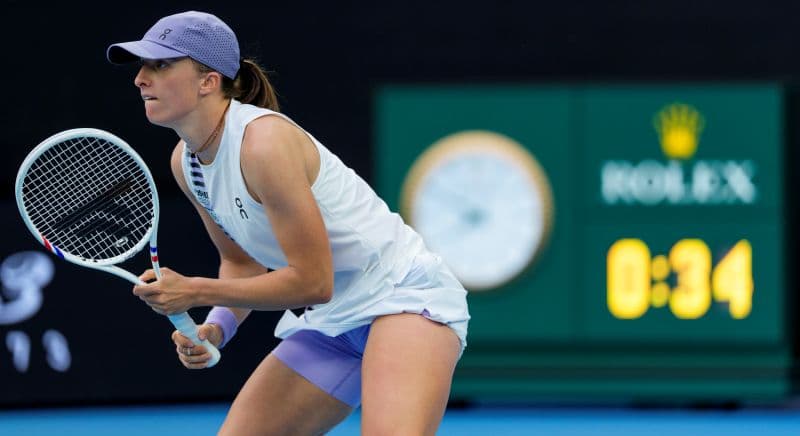
The Canadian Open women's final in Toronto last week had all the ingredients for a showpiece event, but the circumstances surrounding it left a bitter taste. Elena Rybakina had battled through a grueling three-set semi-final against Coco Gauff, finishing at 1am local time, only to return the following evening to face Iga Swiatek in the title match. Swiatek was sharp and dominant, winning 6-2, 6-3, but many observers noted that Rybakina appeared visibly drained during the final. Rain delays pushed the start back further, compounding an already difficult turnaround for the Kazakh star.
Stubbs Calls Out Tournament Directors Directly
Former world number one doubles player Rennae Stubbs did not hold back on her podcast, directing sharp criticism at tournament directors for their scheduling decisions. Stubbs argued that organizers had ten full days to complete the event and had no reasonable justification for allowing a semi-final to run past midnight before scheduling a final the next day. She questioned why matches could not begin earlier, pointing out that daytime sessions in Canada would absolutely draw strong crowds. Stubbs estimated Rybakina likely did not fall asleep until nearly 4am, raising serious concerns about recovery, sleep rhythm, and physical readiness. She also noted that even Swiatek, finishing closer to midnight, faced a less-than-ideal preparation window.
The criticism reflects a growing chorus from players, coaches, and fans who feel the expanding Masters-level calendar is pushing athletes to a breaking point, particularly as the physical demands of the modern game continue to intensify. Stubbs was clear: the sport cannot claim to treat competitors equally when scheduling creates such a stark disadvantage for one finalist over another.
TennisDraw users had Swiatek as a strong favorite heading into this final, and her dominant display certainly justified that confidence.