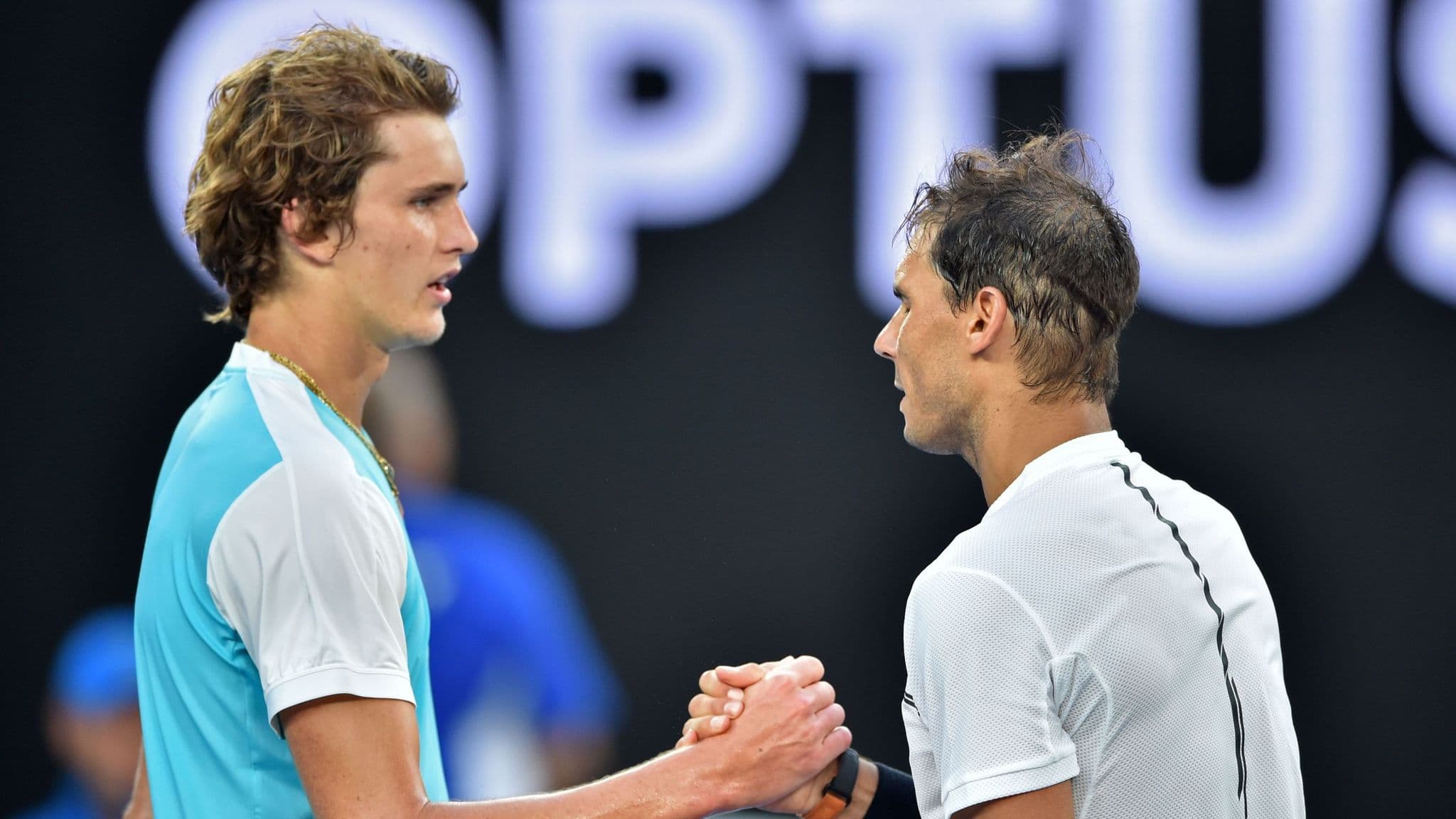
A Final That Left Commentators Fuming
Alexander Zverev claimed the US Open title in a four-set victory over Ben Shelton, but the match is generating attention for all the wrong reasons. Critics have zeroed in on the German's drawn-out pre-serve routine, particularly the extended time he takes before delivering his second serve. Unlike the 25-second shot clock that governs the gap between points at Grand Slams and on the main tours, no equivalent rule exists to limit how long a player can bounce the ball before actually serving. Zverev has become the most high-profile example of players exploiting this gap in the rulebook.
Former world number one women's doubles player Rennae Stubbs did not hold back on her podcast, rattling off the bounce counts Zverev used across different second serves: 25, 22, 24. She argued the unpredictability itself is the problem, comparing Shelton's wait at the baseline to someone killing time in a coffee queue. Stubbs went further, suggesting fans should start booing after the tenth bounce as a way to publicly shame repeat offenders into changing their habits. Her co-host and former professional Andrea Petkovic described the experience of watching Zverev's second-serve delays during the final as simply "unbearable," pointing out that return players also need a rhythm and cannot prepare properly when the timing is completely unpredictable.
Tennis Risks Repeating Football's VAR Mistake
The broader concern is that tennis could stumble into the same trap football did with the video assistant referee system, where a well-intentioned rule change created more frustration than it solved. The 25-second shot clock was introduced to speed the game up, but without a matching rule for second serves, it has inadvertently created a new loophole. TennisDraw users flagged Zverev as a polarizing finalist heading into this year's tournament, and the controversy surrounding his on-court habits only adds fuel to that debate.