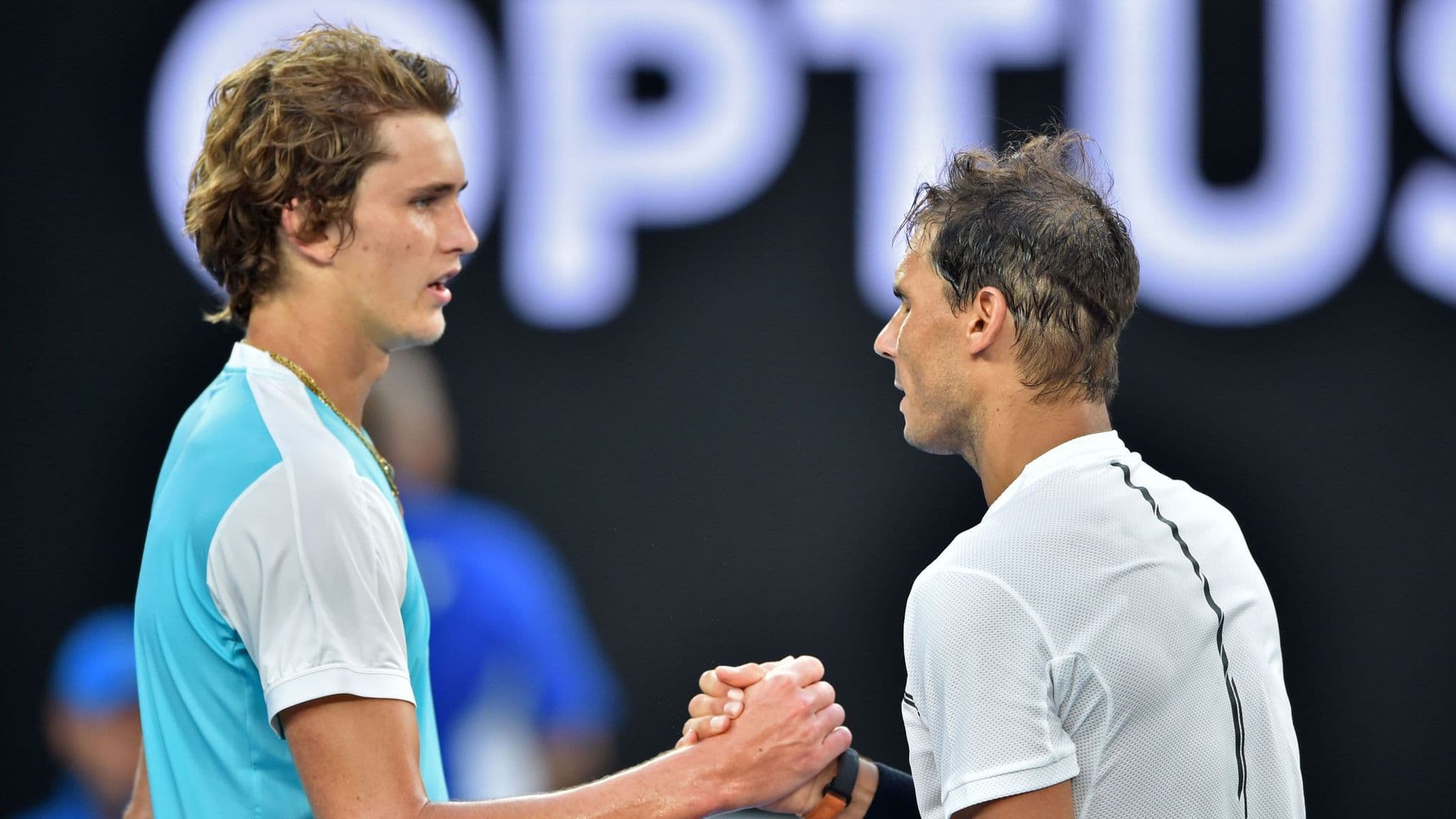
A Staggering Number Between Serves
Alexander Zverev has reached the US Open semifinals in impressive fashion, but a striking statistic is overshadowing his run at Flushing Meadows. Across his first five matches at the tournament, the German bounced the ball an astonishing 12,040 times during his pre-serve routine. That figure has prompted serious discussion about whether tennis needs to close a glaring loophole in its timing rules.
Currently, the shot clock gives players 25 seconds to deliver their first serve. However, no rule governs the time between a first-serve fault and the second serve, meaning players can take as long as they like before the second ball. Critics argue this defeats the entire purpose of the shot clock, and Zverev's numbers have put the issue squarely in the spotlight. Even when a player receives a warning for taking too long on a first serve, they face zero restriction on the follow-up delivery.
A Loophole Djokovic Flagged Years Ago
This is not a new concern. When the shot clock was introduced in 2018, Novak Djokovic pointed out that matches were not actually getting faster because chair umpires sometimes took several seconds to call the score after a long rally, giving players extra time before the clock even started. His observation proved prescient, and the problem has only grown since.
Zverev is not alone in exploiting this gap. Several top-ranked players have reportedly adopted similar habits. Reformers argue that introducing a strict time limit between first and second serves would speed up the game considerably and benefit fans watching late-night matches at major events.
Zverev has also navigated a relatively kind draw, defeating Alejandro Tabilo and Luciano Darderi among his seeded opponents. TennisDraw users will be watching closely to see if their semifinal bracket picks hold up as the tournament reaches its decisive stage.