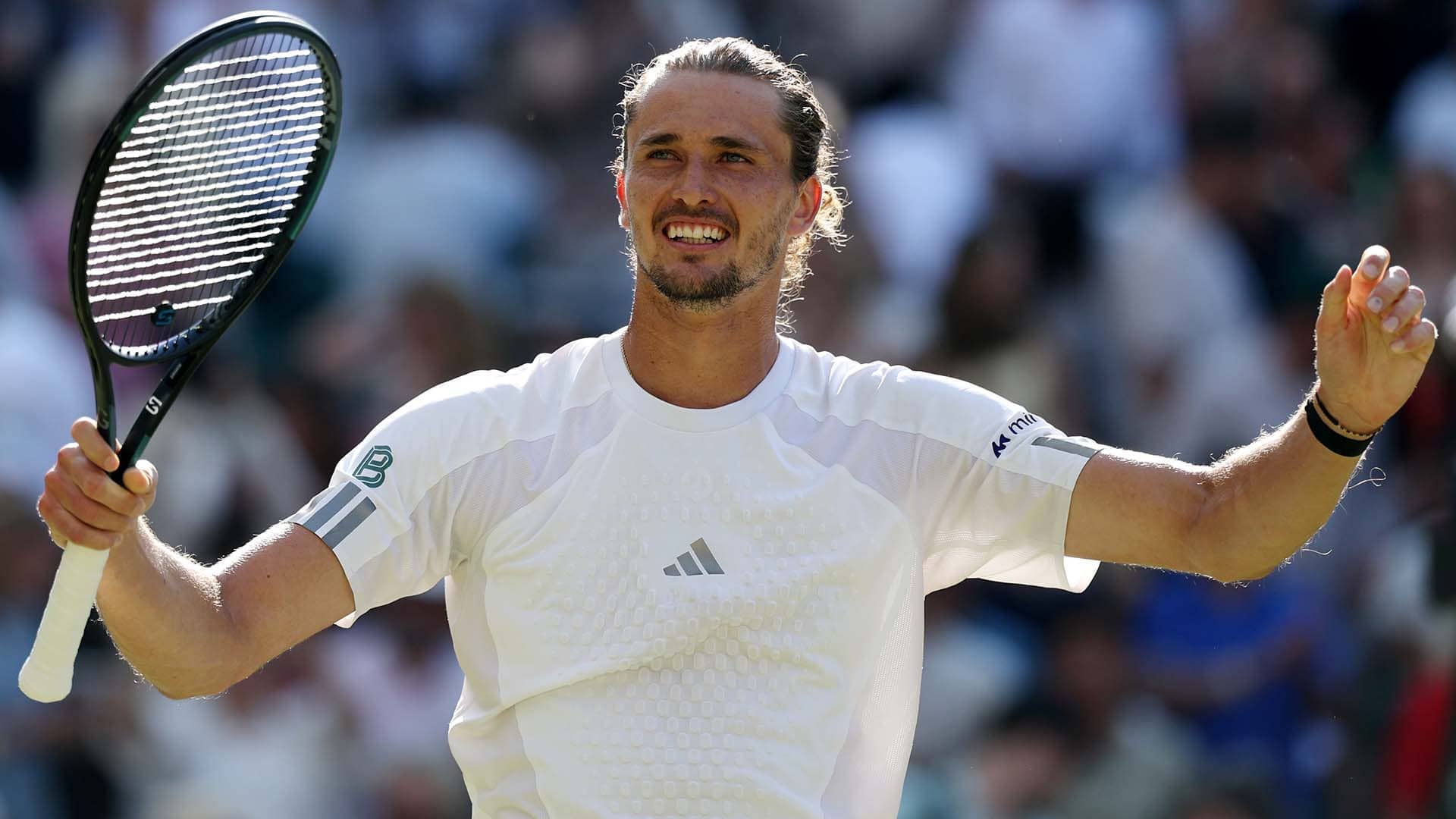
Alexander Zverev has spoken out about what he considers a fixable flaw in the ATP calendar, specifically targeting the wave of player withdrawals that consistently plague the Canadian Open and Cincinnati Masters events held in back-to-back weeks each August.
The German has been vocal about the physical toll that the North American hard-court swing places on players, suggesting that a relatively simple scheduling adjustment could dramatically reduce the number of top names pulling out before or during the tournaments. The stretch, which sandwiches two Masters 1000 events within a brutally short window, has long drawn criticism from players who arrive fatigued from a demanding clay and grass season and immediately face demanding conditions on hard courts.
Zverev's comments come at a particularly lively moment for the Montreal event, where teenage sensation Rafael Jodar has been turning heads with his performances deep into the draw. The 19-year-old Spaniard, who only turned professional full-time last December, reached the semi-finals and sits firmly in the conversation for a historic top-10 breakthrough in record time. That kind of youthful energy has somewhat overshadowed the broader tour-level concerns Zverev is raising, but the debate around player welfare and scheduling sustainability remains urgent.
With the Cincinnati draw also featuring major names including Novak Djokovic and Zverev himself in the same half, the stakes around fitness and scheduling only intensify. Zverev argues that administrators have the tools to act, and that the solution does not require a dramatic overhaul, merely a willingness to rethink how consecutive big events are spaced.
Player feedback on scheduling has grown louder across the tour in recent seasons, and Zverev's push adds a prominent voice to that chorus. TennisDraw users tracking this stretch of the hard-court swing will want to factor tournament fatigue heavily into their bracket predictions.