The Cost of Playing Into the Early Hours
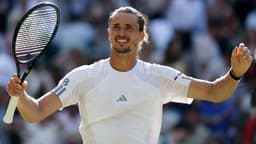
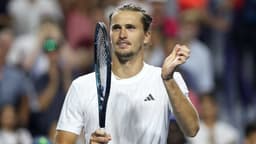
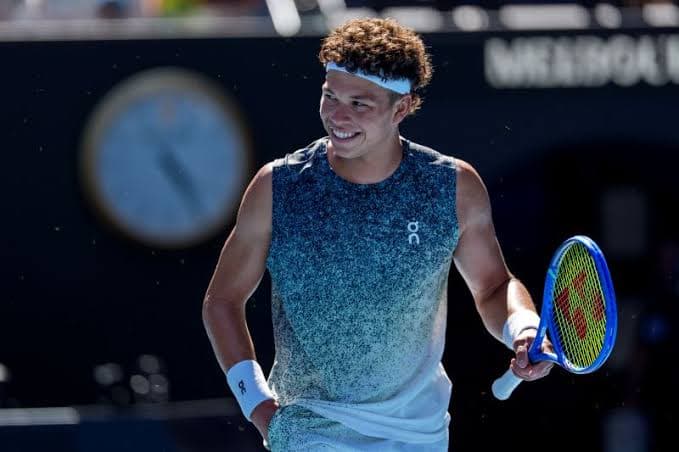
New York's reputation as a city that never sleeps has taken on a whole new meaning at this year's US Open, and not in a good way for the players. Alexander Zverev, the top seed heading into the semi-finals, admitted he was so sleep-deprived that the tournament felt like the Australian Open transported to Manhattan. Three of his five matches finished past 1am local time, and he confessed to going to bed as late as 6:45 in the morning during the past week. Meanwhile, eighth seed Ben Shelton did not finish his extraordinary five-set quarter-final victory over Carlos Alcaraz until 3:34am on Wednesday, one of the latest finishes in recent Grand Slam memory.
The scheduling debate has grown louder with each late finish. Former Grand Slam champion Marion Bartoli weighed in, suggesting that one match per night on Arthur Ashe Stadium during the quarter-final stage could be the straightforward fix organizers need. The problem this year was that all four quarter-finals were crammed onto a single court, and when every match went the distance, the night spiraled deep into the early morning hours.
Recovery Race Before Friday's Matches
The sleep deficit creates a real competitive imbalance heading into the semi-finals. Shelton's opponent, 11th seed Frances Tiafoe, completed his quarter-final around 7pm on Tuesday. Zverev's opponent, Karen Khachanov, also finished well before midnight on Wednesday. Fitness expert Matt Little, who spent years working with Andy Murray, told BBC Sport that even a single night of disrupted sleep carries consequences across multiple days, affecting everything from physical recovery to mental sharpness.
Shelton expressed confidence he would be ready, pointing to two full days off court as crucial recovery time, while Zverev is set to play his first daytime match of the entire tournament in the Friday semi-final. TennisDraw users have been closely monitoring both semi-finals, with Shelton drawing particularly strong bracket support after his stunning win over Alcaraz.