A Tournament Transformed Beyond Recognition
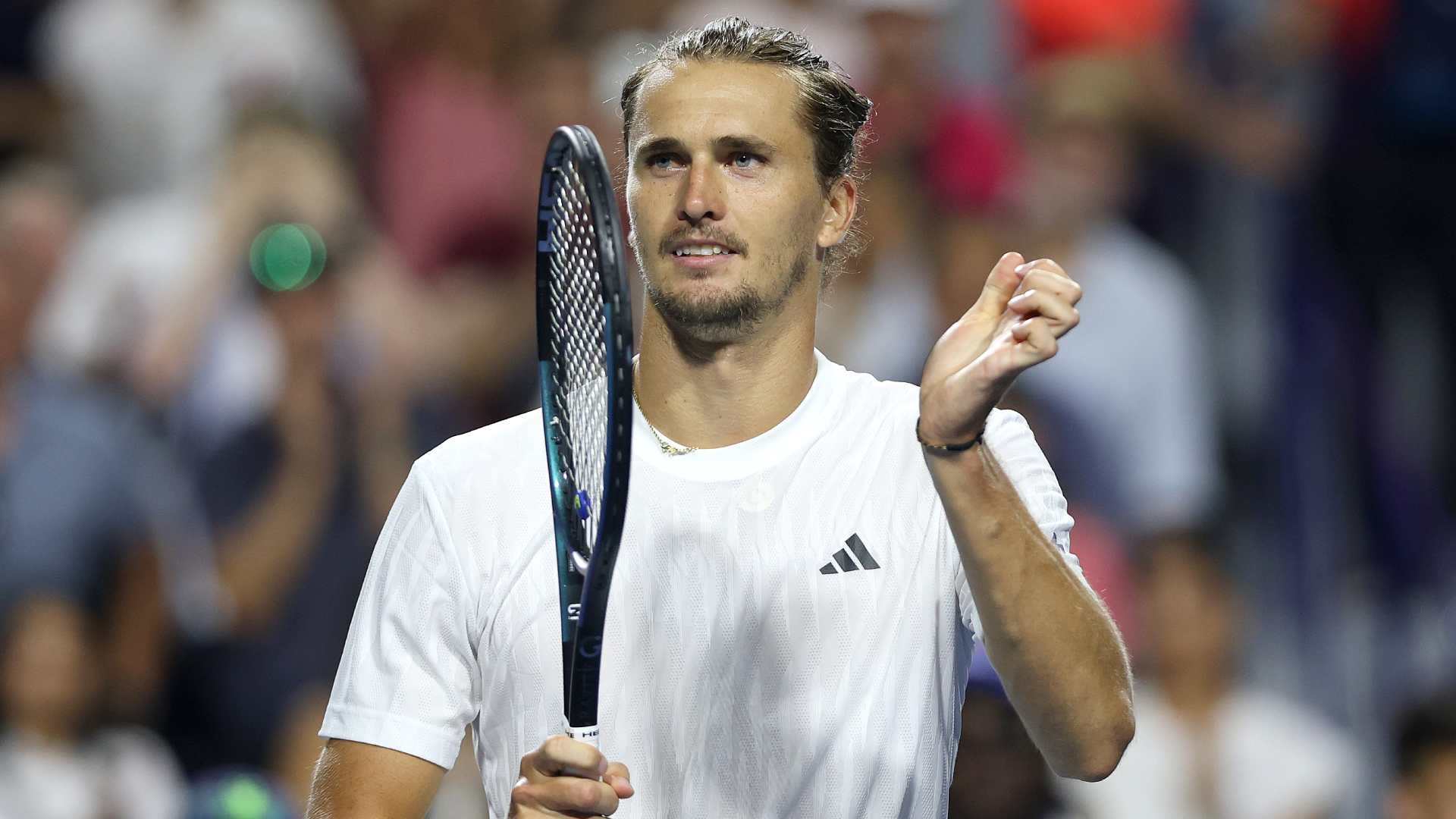
The Davis Cup has never been short of controversy since its format overhaul, and the latest qualification stage has reignited the debate with fresh intensity. The shift away from best-of-five-set home and away ties toward a compact eight-team year-end Finals has frustrated players and legends alike, and the criticism is growing louder. Alexander Zverev, who experienced the old format early in his career, pulled no punches after Germany's recent win over Croatia, calling the current Finals version "absolute rubbish" and urging decision-makers to restore the traditional structure.
Zverev's frustration is shared by a man who arguably embodies the competition more than anyone alive. Yannick Noah, who reached the 1982 final as a player and then coached France to a stunning title victory in 1991, says he finds it genuinely hard to connect with what the Davis Cup has become. That 1991 triumph was remarkable in its own right, with Noah guiding Guy Forget and Henri Laconte past a United States side that included Pete Sampras and Andre Agassi, ending a French drought stretching back to 1932.
The Spirit That Vanished Overnight
Noah's central concern is about meaning and tradition. He recalled how players of his era were desperate to be selected, because representing their country in the Davis Cup carried genuine historical weight. Now, he says, the best players frequently skip the event entirely, and the atmosphere that made the competition iconic has largely evaporated. "Overnight, all of that disappeared," he noted, adding that as a spectator he struggles to stay engaged with the modern version.
The debate over what the Davis Cup should be shows no sign of cooling down. TennisDraw users following team tennis storylines will want to keep a close eye on how this controversy shapes player participation in the months ahead.