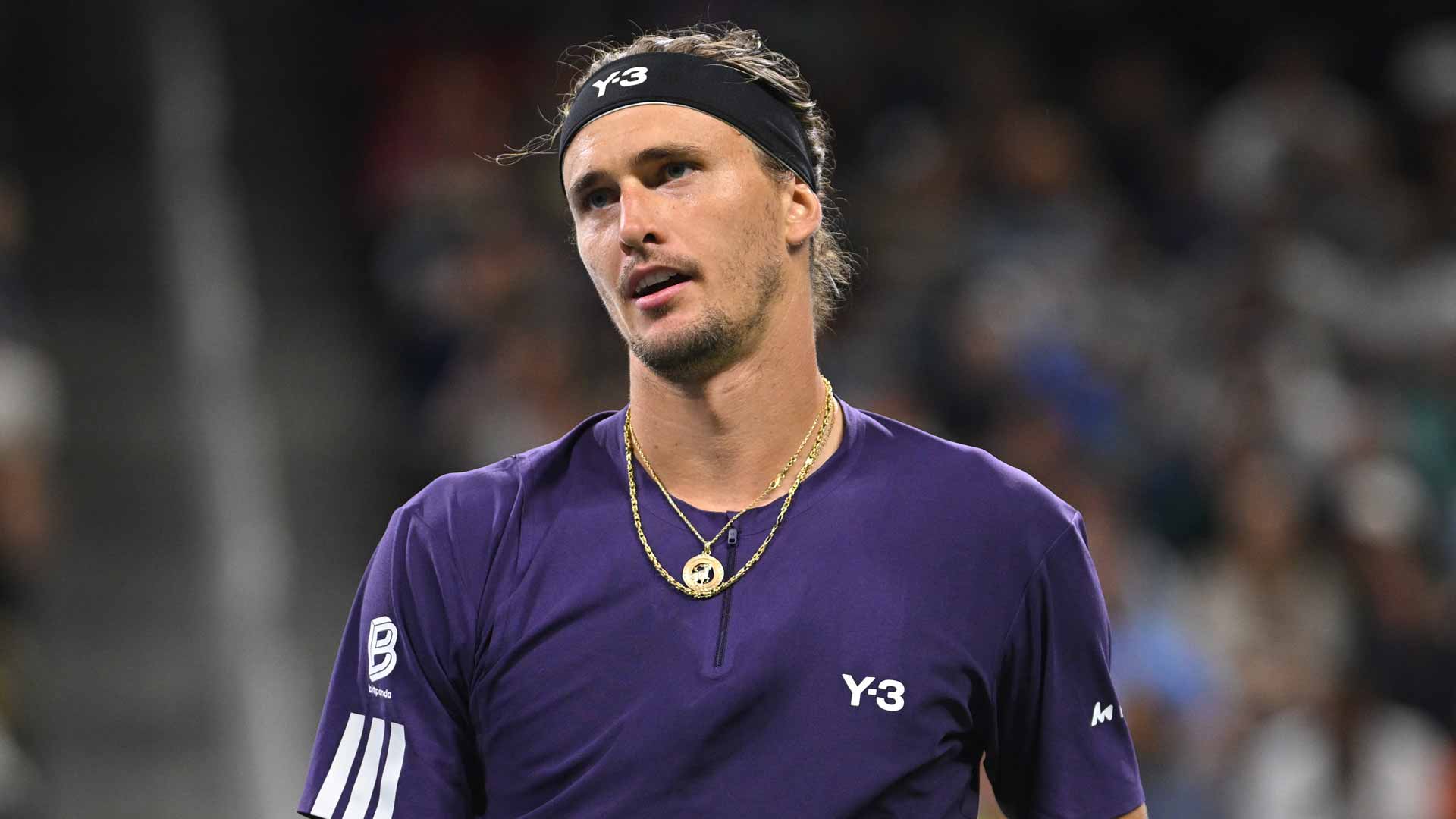
A Habit That Has Defined the Whole Fortnight
Alexander Zverev's pre-serve routine has been one of the defining talking points of the 2026 US Open, and it reached peak attention during the championship match against Ben Shelton in New York. ESPN revealed during Zverev's quarter-final that the German had already bounced the ball more than 12,000 times across the tournament, a staggering figure that caught the attention of broadcasters and fans alike. With the serve clock giving players 25 seconds from the end of the previous point, Zverev's extended ritual frequently pushed right up against that limit.
The flashpoint came in the second set, with the score tied at 3-3 and 30-30. Zverev tossed the ball into the air and then let it drop, abandoning the serve with just two seconds remaining on the clock. Under current rules, this is perfectly legal. Players can abort a toss by letting the ball fall or catching it without penalty, provided they do not swing at it. Crucially, the clock also stops the moment a player aborts a toss, and no time restriction governs how quickly they must then follow through with the actual serve.
McEnroe Brothers Air Their Frustrations on Broadcast
Commentating live for ESPN, John McEnroe argued the rulebook needs updating. He suggested a dropped or abandoned toss at that stage of the clock should count as a fault, putting pressure on players to commit to their motion earlier. His brother Patrick added a different perspective, saying returners should be granted the right to step away from the baseline when a server is bouncing the ball excessively, giving them an equivalent disruption tool. TennisDraw users who backed Zverev deep into this bracket will be watching closely to see how this rule debate develops beyond the final.