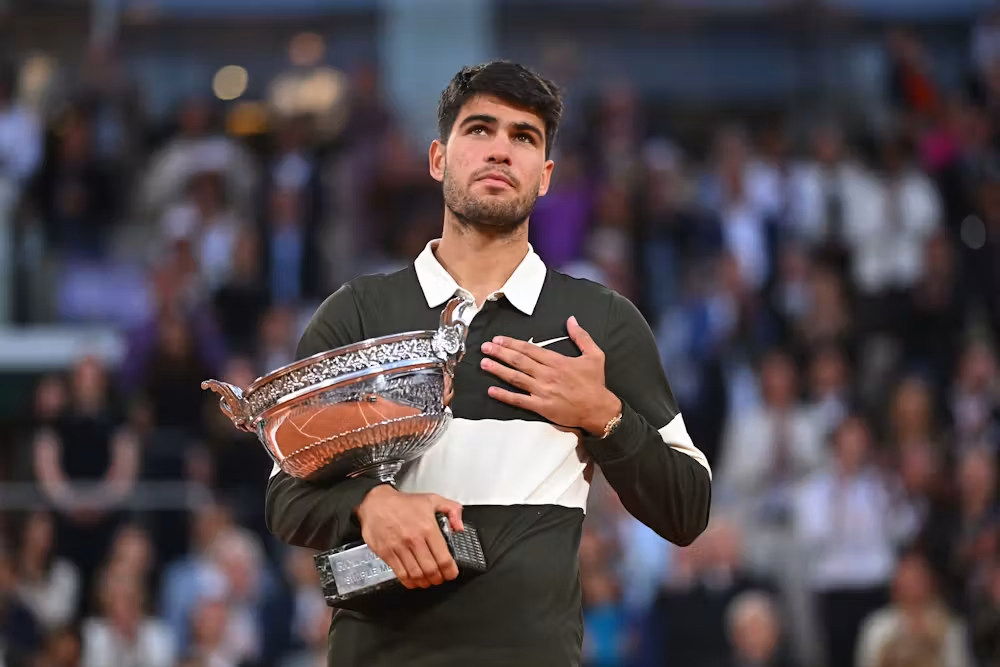
A Rough Return, But Signs of Grit
Carlos Alcaraz has been back on tour for only a short stretch, and already the storylines are piling up. The 23-year-old Spaniard missed more than four months of the 2026 season due to a wrist injury, sitting out both the French Open and Wimbledon. When he finally returned at the US Open, he fell to Ben Shelton in the quarter-finals. Now competing at the Japan Open in Tokyo, Alcaraz has shown flashes of brilliance mixed with notable serving difficulties.
The concern was on full display during his quarter-final win over Denis Shapovalov, when the opening set featured six breaks of serve. Alcaraz still ground out a 7-6 (3), 2-1 victory before Shapovalov retired. After the match, Alcaraz admitted he was frustrated, saying he could not find a rhythm on serve and was struggling almost every service game, though he credited his resilience in bouncing back after each break.
Macci's Counterintuitive Take
Enter Rick Macci, the decorated American coach who has worked with icons including Serena Williams, Andy Roddick, and Maria Sharapova. Rather than viewing Alcaraz's serve troubles as a red flag, Macci posted on social media that adversity tends to create a ripple effect of improvement across other parts of a player's game. His argument: because Alcaraz cannot rely on free points from big serves, he is forced to dig deeper mentally, sustain longer rallies, and manage frustration at a higher level than before. Macci believes this process could push the Spaniard toward a mental ceiling he has never previously reached.
With two wins needed to defend his Japan Open title, Alcaraz's second tournament back from injury, this comeback story is far from finished. TennisDraw users have been closely tracking Alcaraz's bracket odds as he pushes deeper into the draw.