The Numbers That Will Make You Do a Double Take
The conversation around prize money in professional tennis has been loud and persistent, with top players including world number one Jannik Sinner and WTA star Aryna Sabalenka signing letters demanding a larger share of tournament revenues. Their push has already produced results, including a significant prize money increase at the US Open and the creation of a Grand Slam Player Advisory Council. But a closer look at what some struggling players are earning in 2026 raises a fascinating counter-argument.
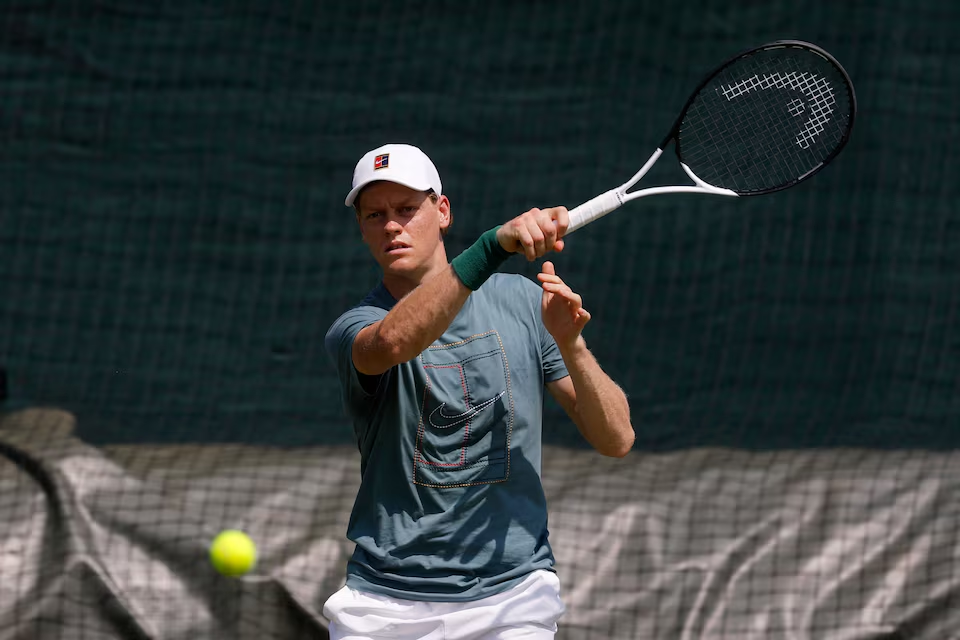
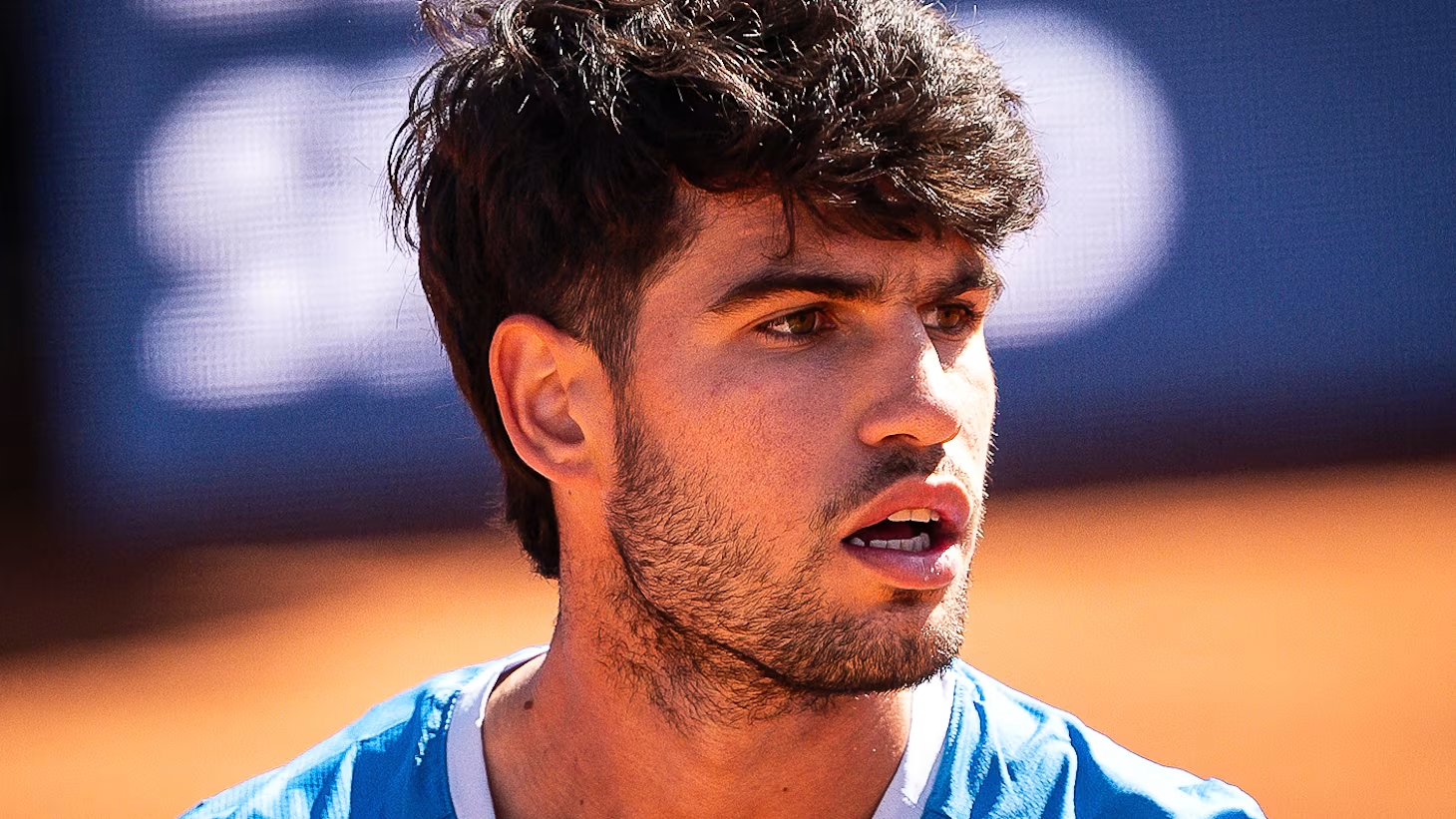
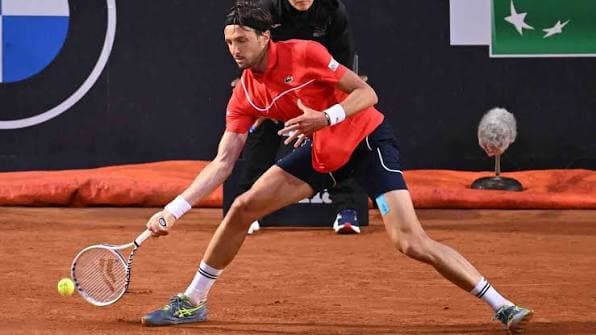
French player Arthur Rinderknech heads into the US Open with a 16-19 record this season, meaning he has lost more matches than he has won. Yet his 2026 prize money stands at over 1.27 million dollars. Dutch player Tallon Griekspoor sits at 12-17 for the year, collecting nearly 1.2 million dollars largely thanks to a runner-up finish in Dubai and a run to the last 16 in Montreal. Hungarian Fabian Marozan carries a 17-20 record and is on the verge of crossing the one million dollar threshold, buoyed by semifinal appearances in Mallorca, Bucharest, and Auckland. French player Terence Altman, also below the .500 mark at 16-20, earned early-season highlights with a quarterfinal in Acapulco and a last-16 run at the Miami Open.
What This Means for the Prize Money Debate
Of course, context matters. Travel costs, coaching fees, and taxes consume a significant portion of any player's earnings, and life on the ATP Tour is genuinely expensive. Still, these figures illustrate just how lucrative the tour structure has become even for players outside the elite tier. A handful of deep runs in major events can generate seven-figure returns regardless of overall win-loss records, which adds a complicated wrinkle to arguments that current distributions are unfair. TennisDraw users tracking these storylines will want to factor in these surprising earners when setting their US Open bracket picks.