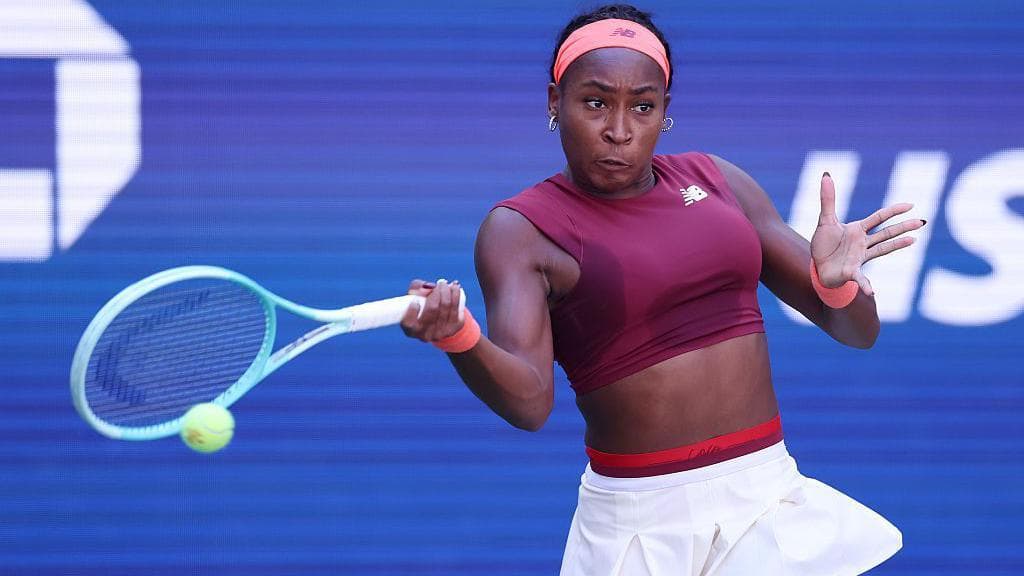
From Tears to Triumph on the Service Line
Twelve months ago, the image that defined Coco Gauff's US Open was her practicing serves alone in persistent drizzle, desperately searching for answers to a shot that had crumbled beneath her. The double faults piled up, the tears flowed during matches, and she exited in the fourth round looking like a player at war with herself. Now, at 22 years old and seeded fourth at Flushing Meadows, Gauff looks like a completely different competitor on the service line.
Her opening round victory against Turkey's Zeynep Sonmez, a comfortable 6-3, 6-4 result on Arthur Ashe Stadium, showcased exactly how far the American has come. She opened the match with a hold to love, and when Sonmez threatened to grab a break in the second set, Gauff leaned on her serve to steady the ship. "It feels good to come into a tournament feeling confident on that shot finally," Gauff told reporters afterward. She also admitted that walking back onto the court barely contained her smile.
The Science Behind the Transformation
The turning point came when Gauff hired biomechanics specialist Gavin MacMillan on the eve of last year's US Open. MacMillan previously helped Aryna Sabalenka work through her own serving difficulties. His adjustments focused on a more consistent ball toss, keeping the toss from drifting too far forward, and maintaining a straighter wrist through contact. The results did not arrive immediately, but the work paid off across the following months.
The numbers still carry a quirky caveat: Gauff has produced 308 double faults on the WTA Tour in 2026, more than any other player. Yet her per-match average of 5.6 is manageable, and the mental shift is enormous. She recently claimed the Cincinnati Open title, suggesting the improved serve is holding up under real pressure. Her second-round opponent will come from a match between Daria Kasatkina and Paula Badosa. TennisDraw users flagged Gauff as one of the most popular picks to reach the second week at this year's US Open.